
Every professional kitchen has a rhythm. A language. A quiet understanding that technique comes before creativity.
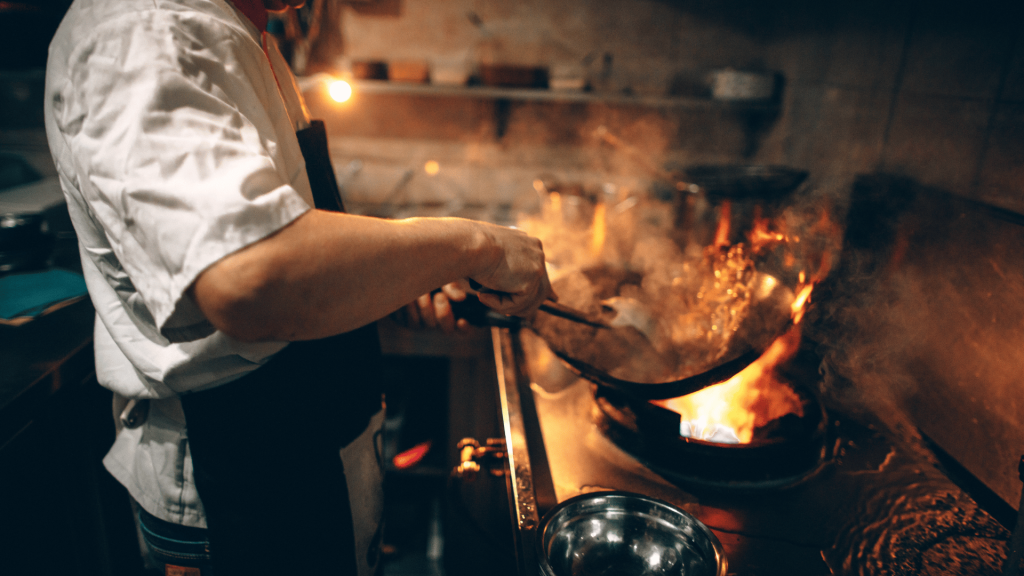
But here’s what isn’t often said: technique is not learned from watching. It is learned from doing.
At ISAC: Instituto Superior de Alta Cocina, just minutes from El Paso, Texas, essential culinary techniques are taught by instructors who bring years of real-world experience to the classroom. Many have led professional kitchens. Others have built their own culinary ventures. All understand what it takes to operate under pressure, maintain standards, and deliver consistency.
And that changes everything.
Knife Skills: Guided, Corrected, Perfected
Knife skills are foundational. But more importantly, they are physical habits.
Students learn precision cuts, proper grip, safety techniques, and speed development under direct supervision. An experienced chef doesn’t just demonstrate a julienne. They correct posture, refine movement, and demand uniformity until it becomes instinct.
Because in a real kitchen, consistency is non-negotiable.
Mother Sauces and Stocks: Technique With Purpose
Understanding the classical mother sauces and the preparation of foundational stocks builds technical discipline. But at ISAC, students don’t memorize formulas. They prepare them repeatedly, adjusting seasoning, controlling texture, and learning why each step matters.
When instructors have spent years in professional environments, they teach beyond theory. They explain how these sauces function in actual service and how proper stock preparation transforms a dish from average to refined.
Cooking Methods: Heat as a Tool
Sautéing and braising are not simply definitions in a textbook. They are controlled exercises in heat management.
In a hands-on environment, students experience the difference between high-heat precision and slow, structured cooking. They observe texture changes. They adjust timing. They develop instinct.
This practical immersion builds confidence that theory alone cannot provide.
Plating Basics: Discipline Before Style
Presentation is guided with the same seriousness as flavor. Experienced chefs teach balance, proportion, and clarity on the plate. Students practice plating under evaluation, learning that aesthetics must support the dish rather than distract from it.
The essential culinary techniques every future chef must master are not abstract concepts. They are daily practices, refined through repetition and mentorship.
At ISAC, the Associate Degree in Gastronomy emphasizes hands-on training within a close, supportive community. Students learn directly from professionals who understand both the craft and the demands of the industry.
Because culinary excellence is not improvised.
It is trained.